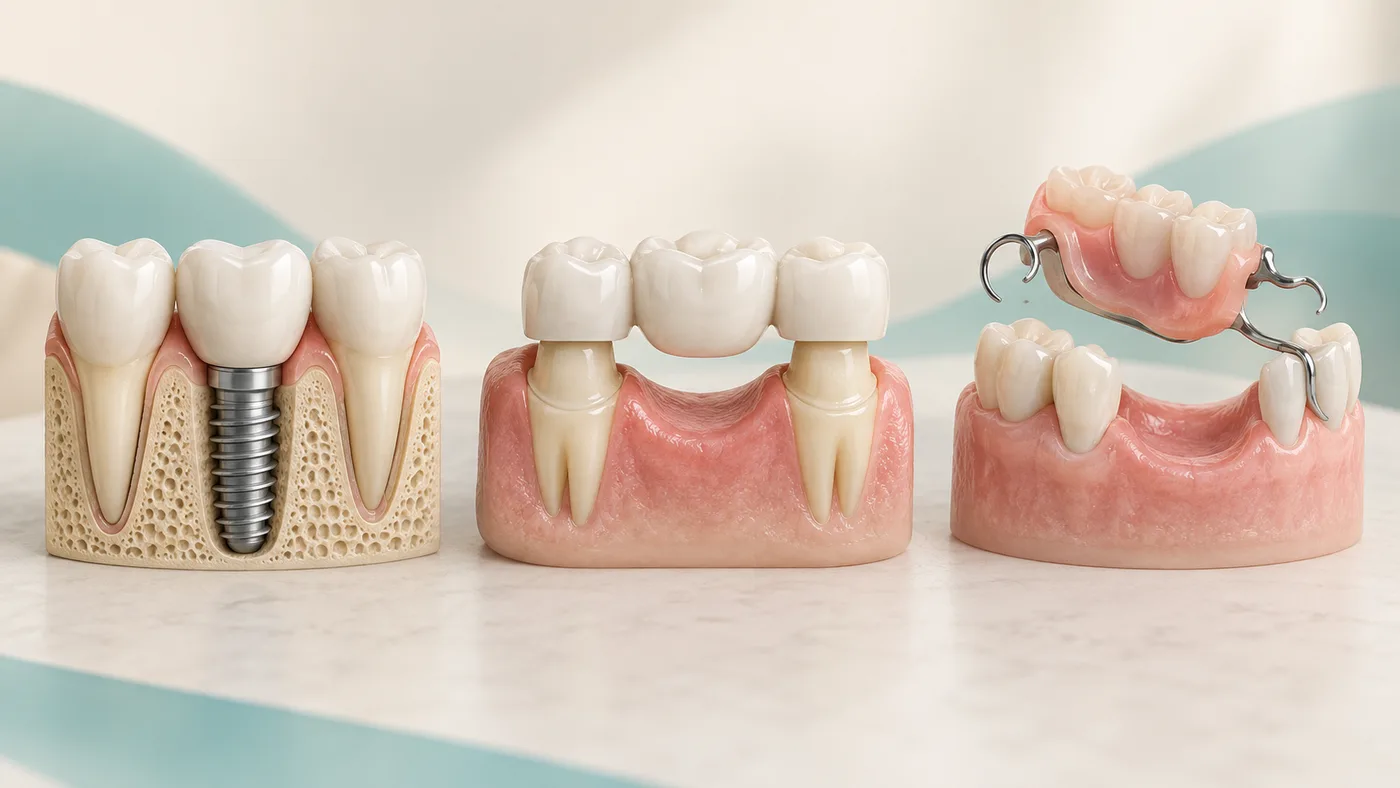
An implant replaces a missing tooth; it is not an upgrade for every tooth
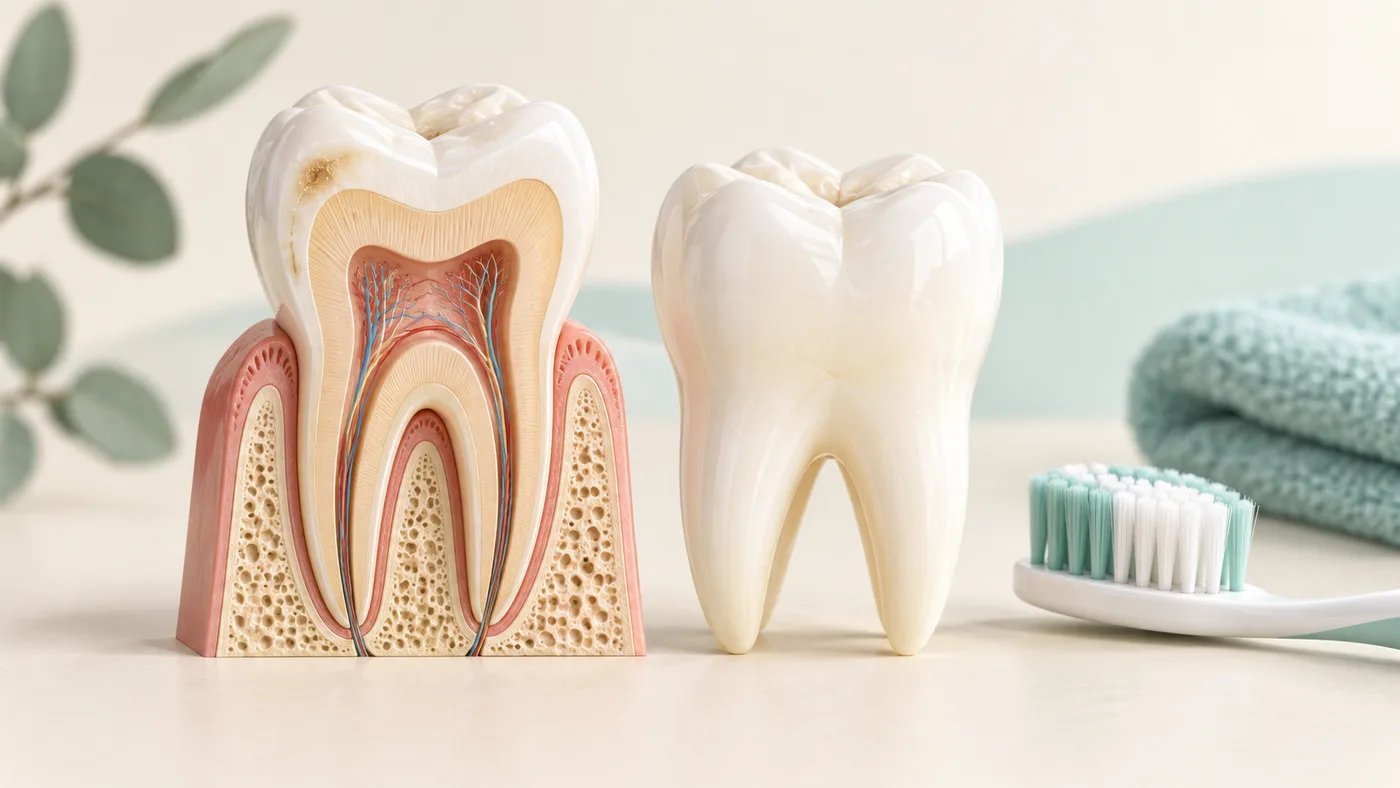
The first question is whether the natural tooth can be predictably treated and restored. Assessment considers decay, cracks, gum and bone support, remaining tooth structure and the ability to achieve a durable seal and useful bite.
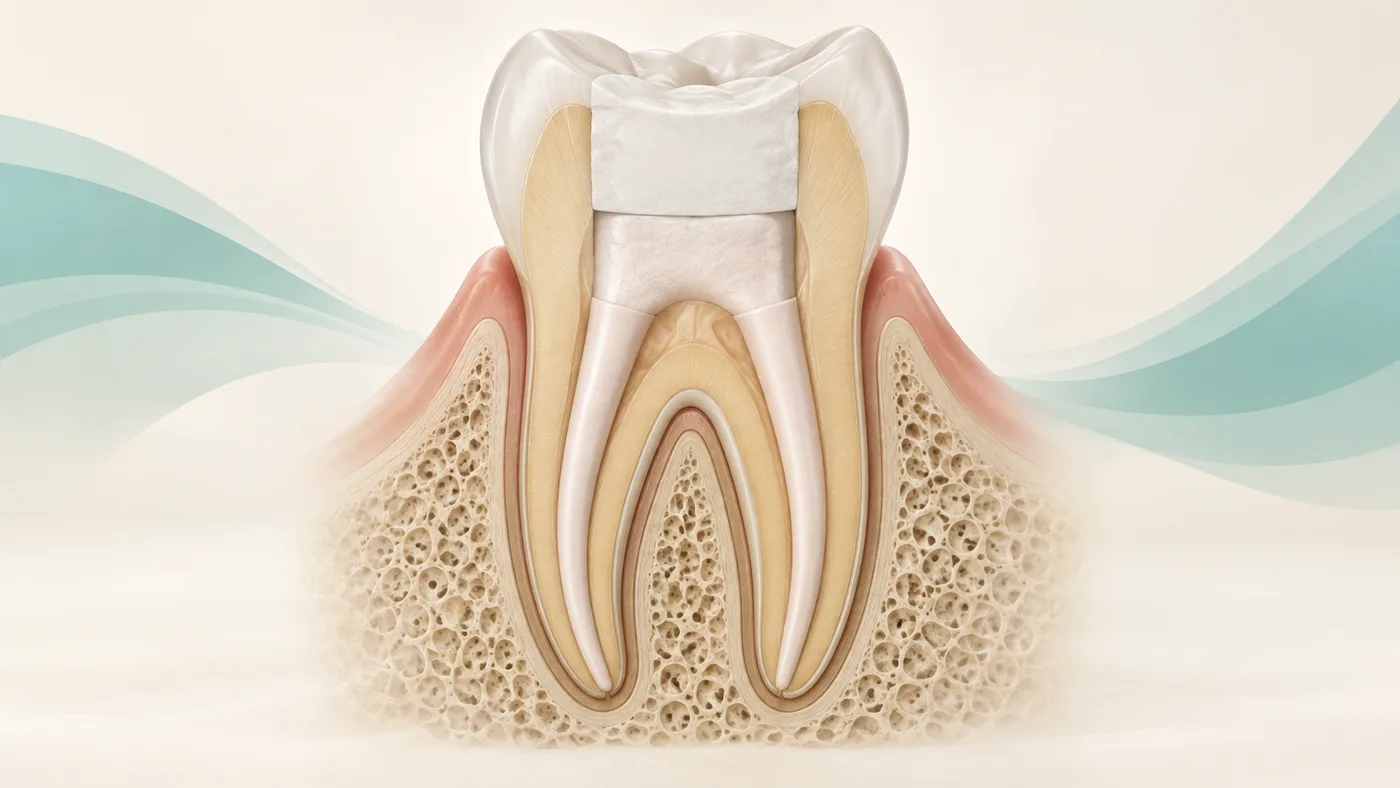
Root canal treatment is only part of saving a tooth
Endodontic treatment addresses disease within the tooth. The final restoration protects and seals the remaining structure as appropriate. A tooth can have a technically satisfactory root filling yet a poor overall outlook if it cannot be restored or lacks adequate periodontal support.
When extraction may be reasonable
Some teeth have an unfavourable fracture, severe loss of support or insufficient restorable tissue. In such cases, the dentist explains why preservation is unlikely to serve you well and compares replacement options, including whether a gap needs immediate replacement.
Compare complete pathways
Retreatment, a new restoration, extraction, grafting and an implant crown differ in treatment burden and maintenance. Compare likely function, uncertainty, time and cost for your tooth rather than success percentages drawn from unlike studies.
If the decision is uncertain, an endodontic or restorative opinion may help before an irreversible extraction. Ask what finding makes the tooth restorable or unrestorable and whether the proposed replacement addresses your long-term needs.