
A coordinated plan for complex problems
Full-mouth rehabilitation addresses multiple interacting problems such as extensive wear, missing teeth, failing restorations, or loss of comfortable function. It is broader than changing the color of a smile.
Stabilize before rebuilding
Pain, active decay, and periodontal inflammation should be assessed and managed first. Each tooth needs a prognosis: which can be maintained, which need restoration, and which cannot reasonably be saved?
Test important changes
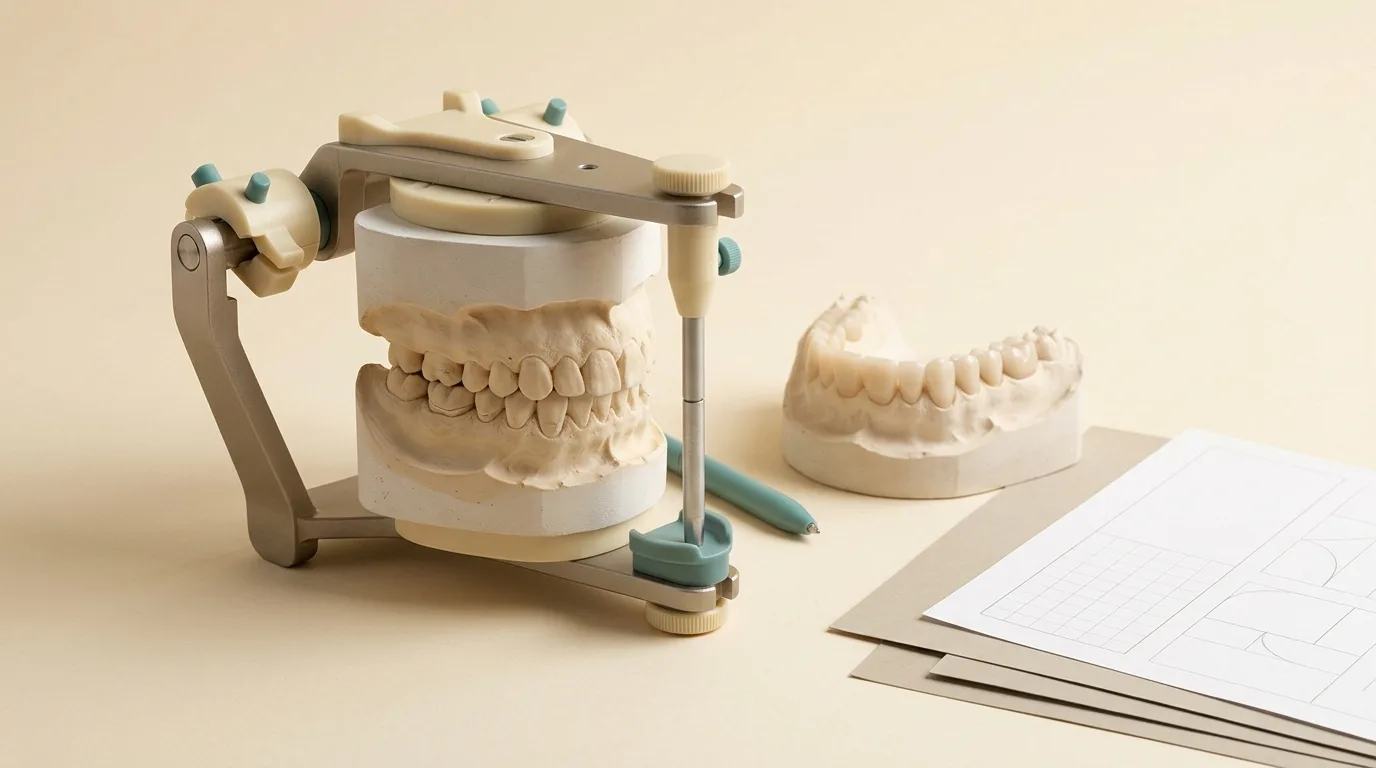
Records may include photographs, scans or impressions, bite analysis, and selected imaging. Changes in tooth position or biting height should be planned carefully. A wax-up, mock-up, or provisional restoration can help evaluate appearance, speech, comfort, and function.
Treatment may be combined
A plan can combine restorative, periodontal, endodontic, orthodontic, and implant care. Rehabilitating the mouth does not automatically require crowning every tooth or extracting all remaining teeth.
Agree on the long-term plan
Discuss stages, alternatives, expected limitations, review visits, repairability, and total cost. A complex reconstruction still needs regular professional care and daily cleaning.