Oral health belongs in diabetes care
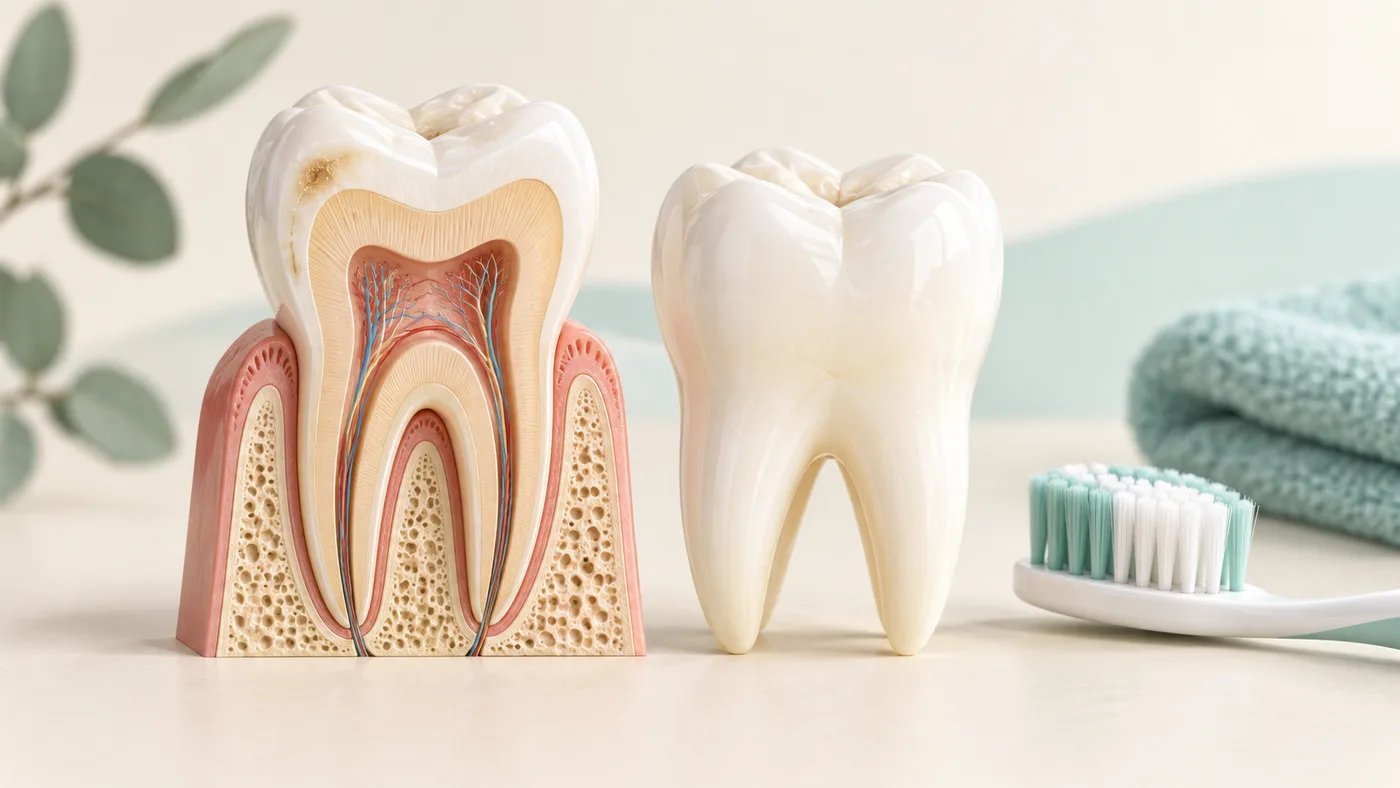
Diabetes can affect the body's response to infection and healing. Gum disease, dry mouth and other oral problems deserve attention, particularly when blood glucose is not well controlled. Bleeding gums are a reason for assessment, not an inevitable symptom to accept.
Share useful information
Tell the dentist about your diabetes treatment, recent control and episodes of low blood glucose. Bring a medicine list and explain any kidney, cardiovascular or other complications. For invasive care, the dentist may coordinate with your medical team.
Do not change diabetes medication or skip meals simply because you have a dental visit. Instructions may differ if sedation, fasting or a change in eating is planned; obtain an agreed plan beforehand.
Implants require individual assessment
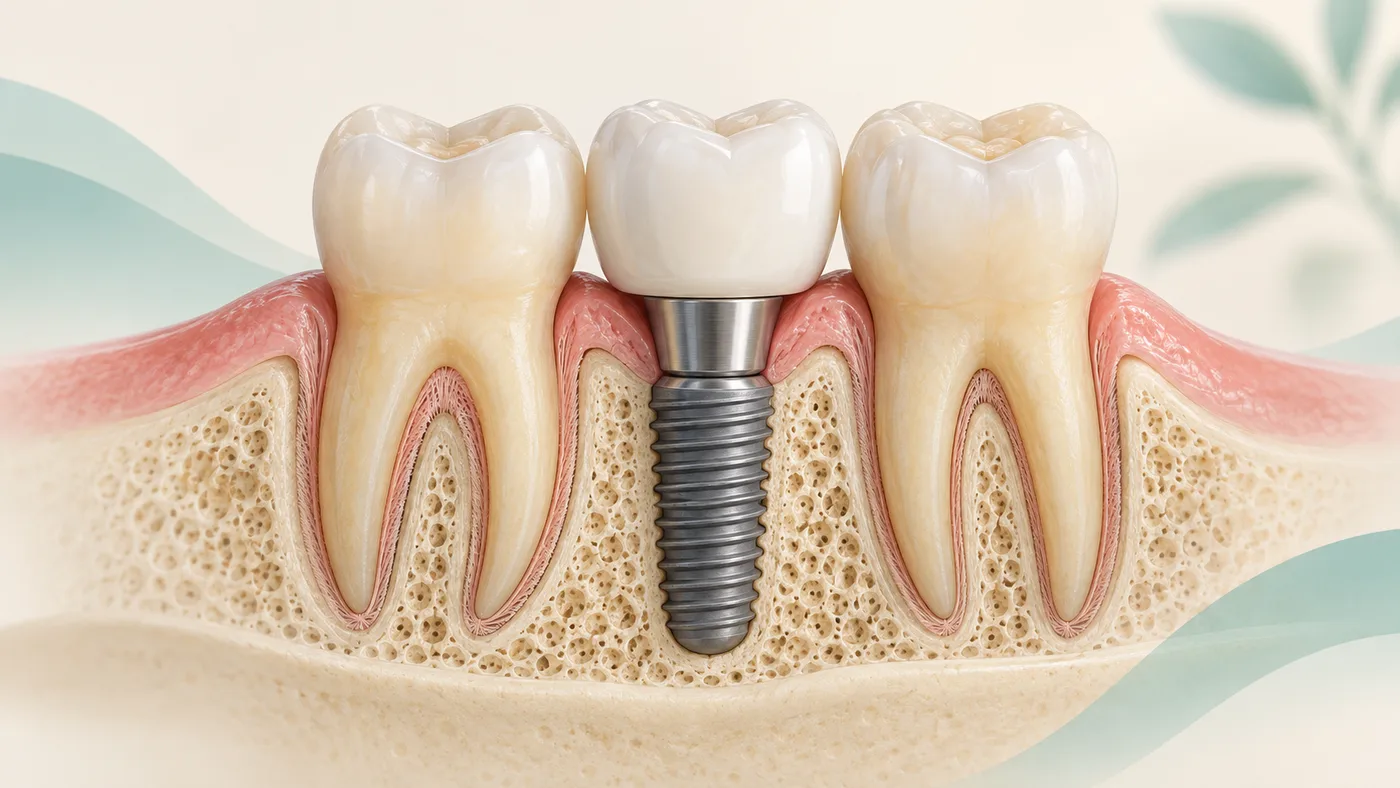
Diabetes is not a single yes-or-no category for implant treatment. Current control, gum health, hygiene, other medical issues and the proposed procedure influence the decision. A website should not promise eligibility from a diagnosis or a single laboratory value.
Daily priorities
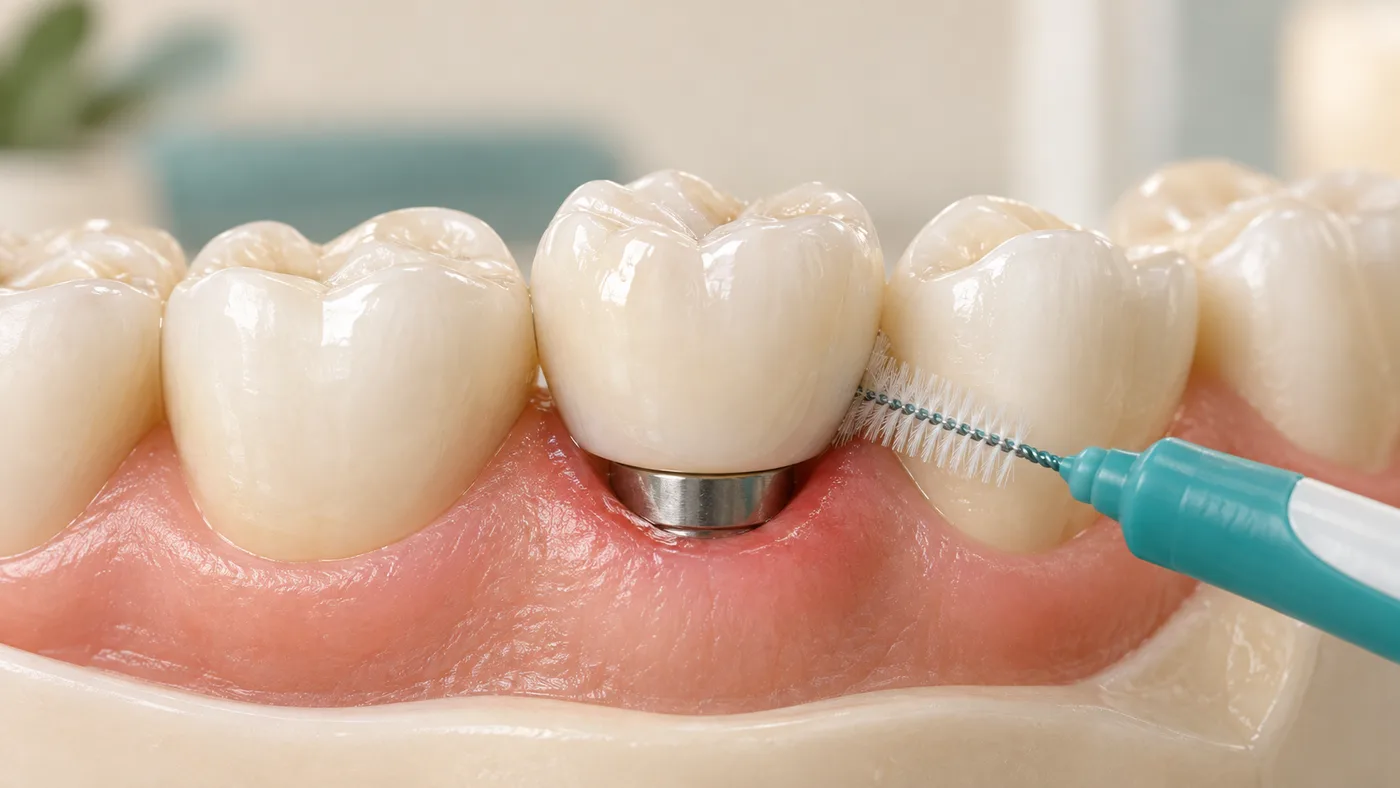
Use fluoride toothpaste, clean between teeth and attend recommended reviews. Discuss persistent dryness rather than repeatedly using sugary drinks for relief. Seek timely dental assessment for swelling, discharge or persistent pain.
The aim is coordinated care that treats active disease and makes the dental plan practical alongside your medical treatment.