
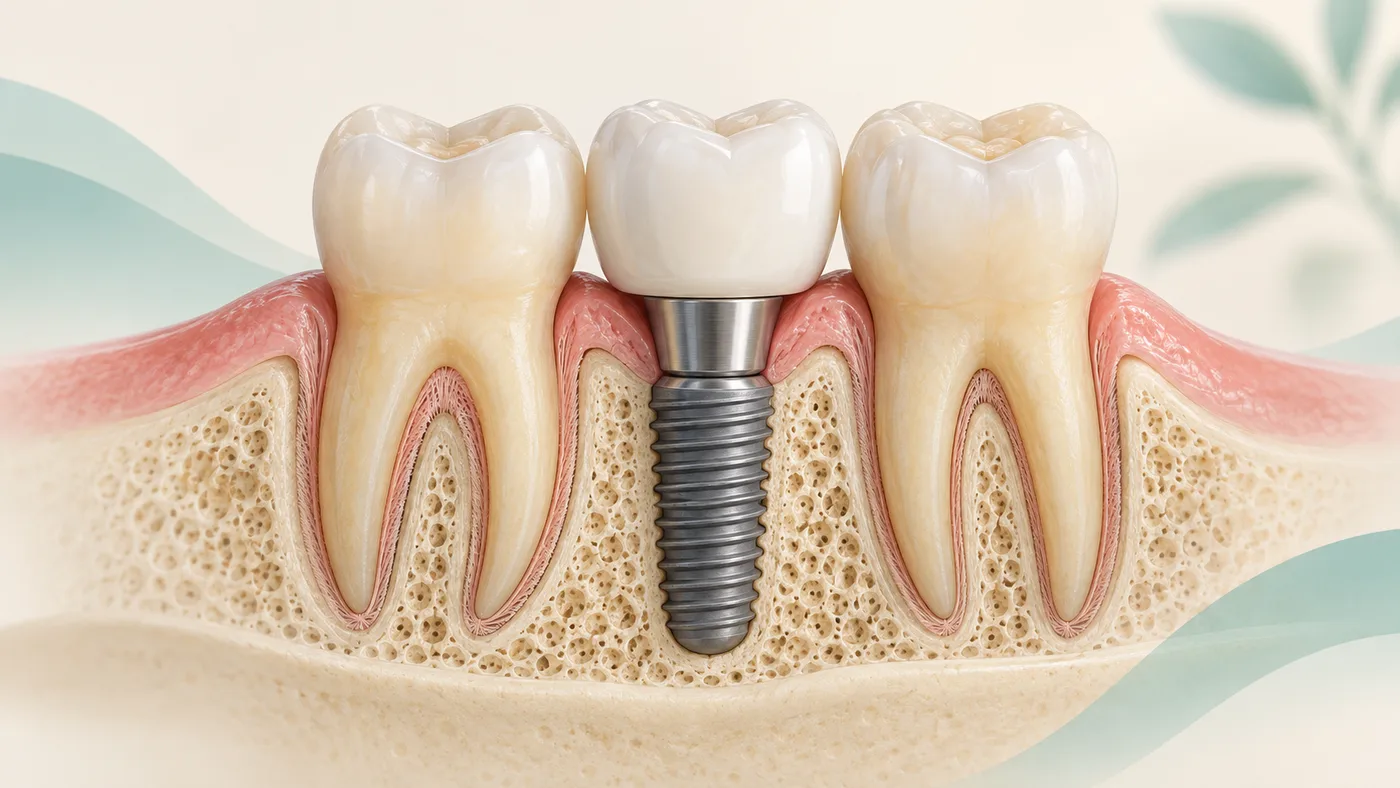
Suitability is a balance of factors
Having enough space for an implant is only one part of assessment. The clinician considers the intended teeth, gum condition, bone anatomy, health, and ability to maintain the result.
Information to bring
Bring a complete medication list and disclose diabetes, smoking, previous radiotherapy, immune-related conditions, and medicines for osteoporosis or cancer. Do not stop medication to make yourself “eligible”; the treating team may need to coordinate with your physician.
Conditions may need attention first
Active periodontal disease, inadequate cleaning, or poorly controlled health problems may need management before treatment. A lack of bone may change the plan, but grafting is not a universal requirement.
Think about daily life
Can you clean under the proposed restoration? Will you attend follow-up? Would a removable design be easier to maintain? These practical questions are part of suitability, not secondary details.
If implants are not the best option
A tooth-supported bridge, removable denture, or preservation of an existing tooth may offer a reasonable alternative. Ask for the reasons behind the recommendation and how uncertainty is being handled.
Candidacy includes the future restoration
Having enough bone is only part of the assessment. The team needs room for the restoration, a useful bite, acceptable appearance and a design you can clean. Tissue loss may affect whether fixed or removable teeth serve you better.
Bring a complete medical history
Provide your medicine list and details of head-and-neck radiotherapy, antiresorptive medicines and healing problems. These have different implications; never stop prescribed medicine without coordination with the prescriber. If you are not ready now, ask whether the limitation can be modified through disease control or medical care, whether referral is appropriate and what temporary alternatives are available.