Printing is one step in a larger process
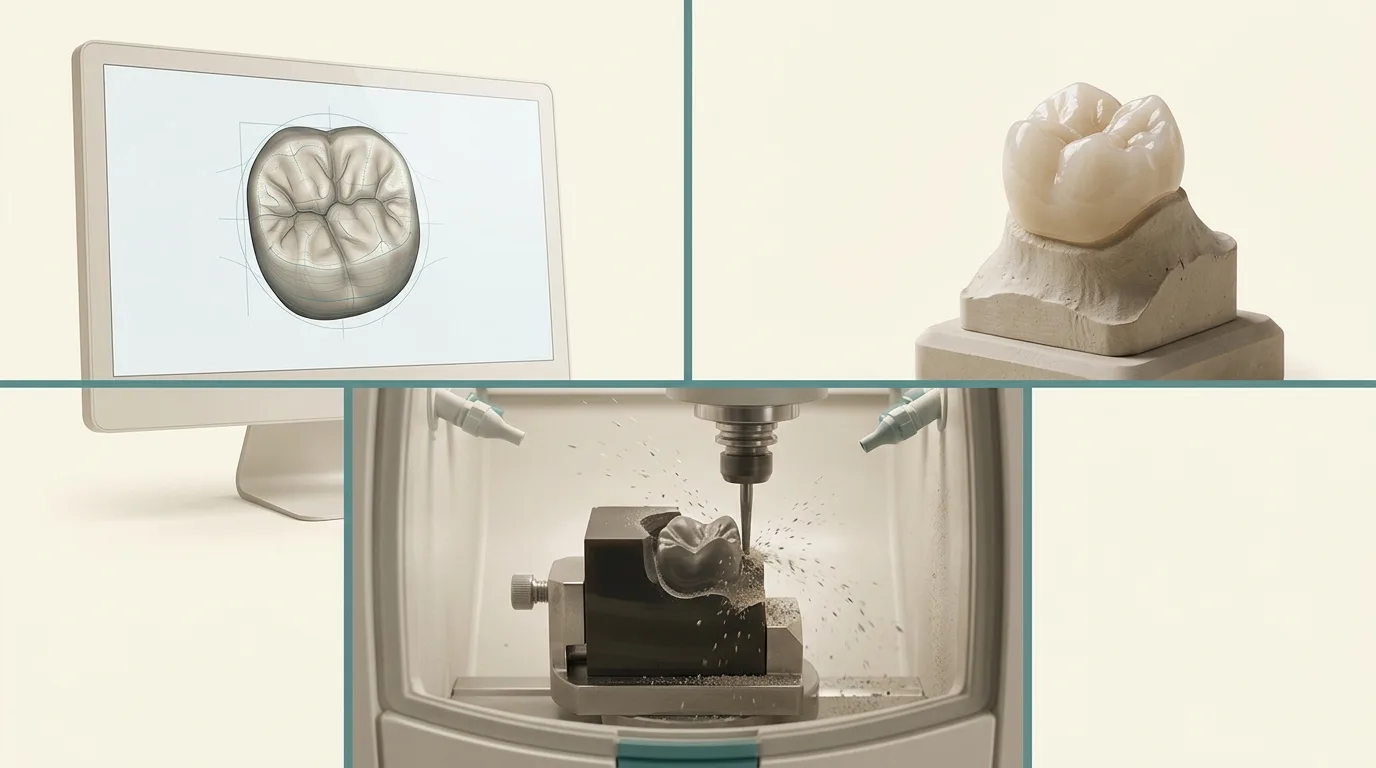
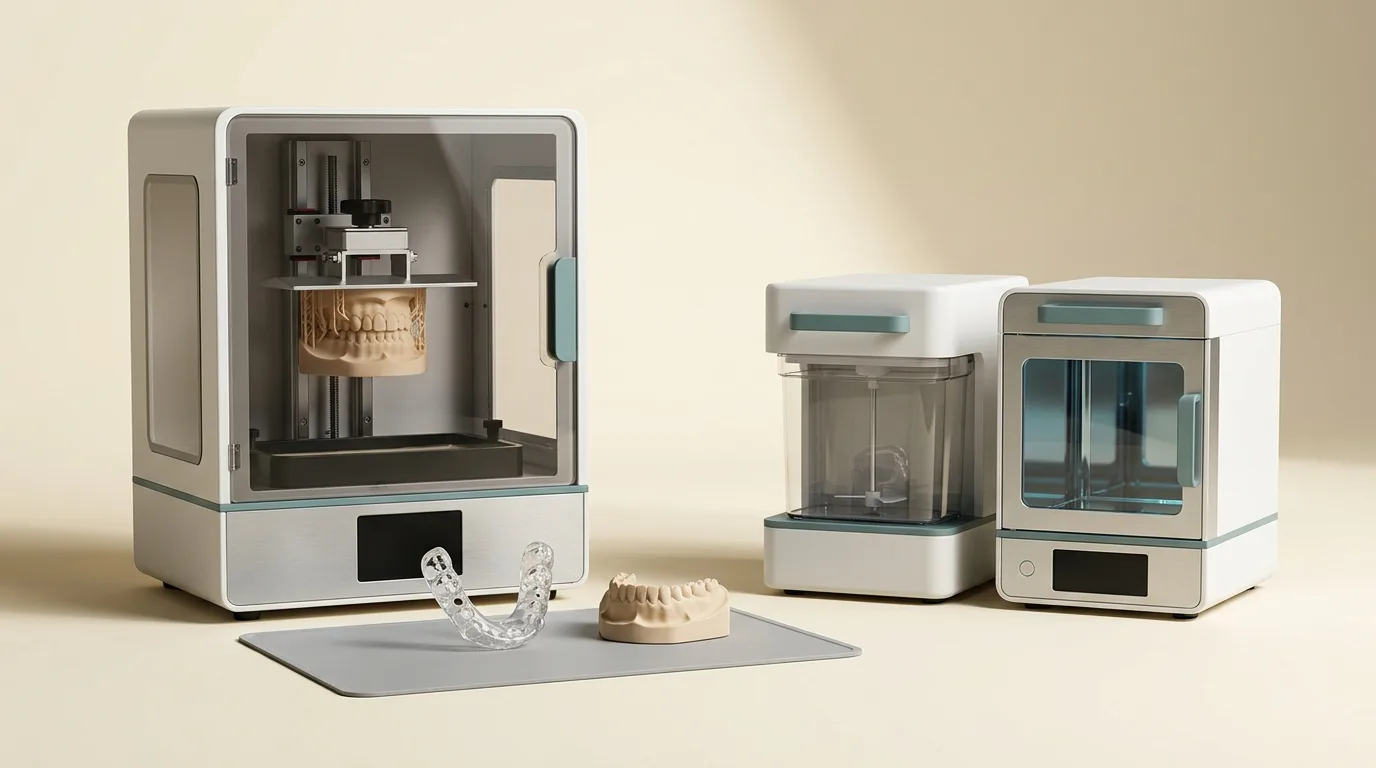
A dental printer builds an object from a digital design in successive layers. The starting records may come from a scan or a designed model. The intended use determines the material, printer settings, finishing and checks; a material suitable for a display model is not automatically suitable inside a patient's mouth.
Common applications
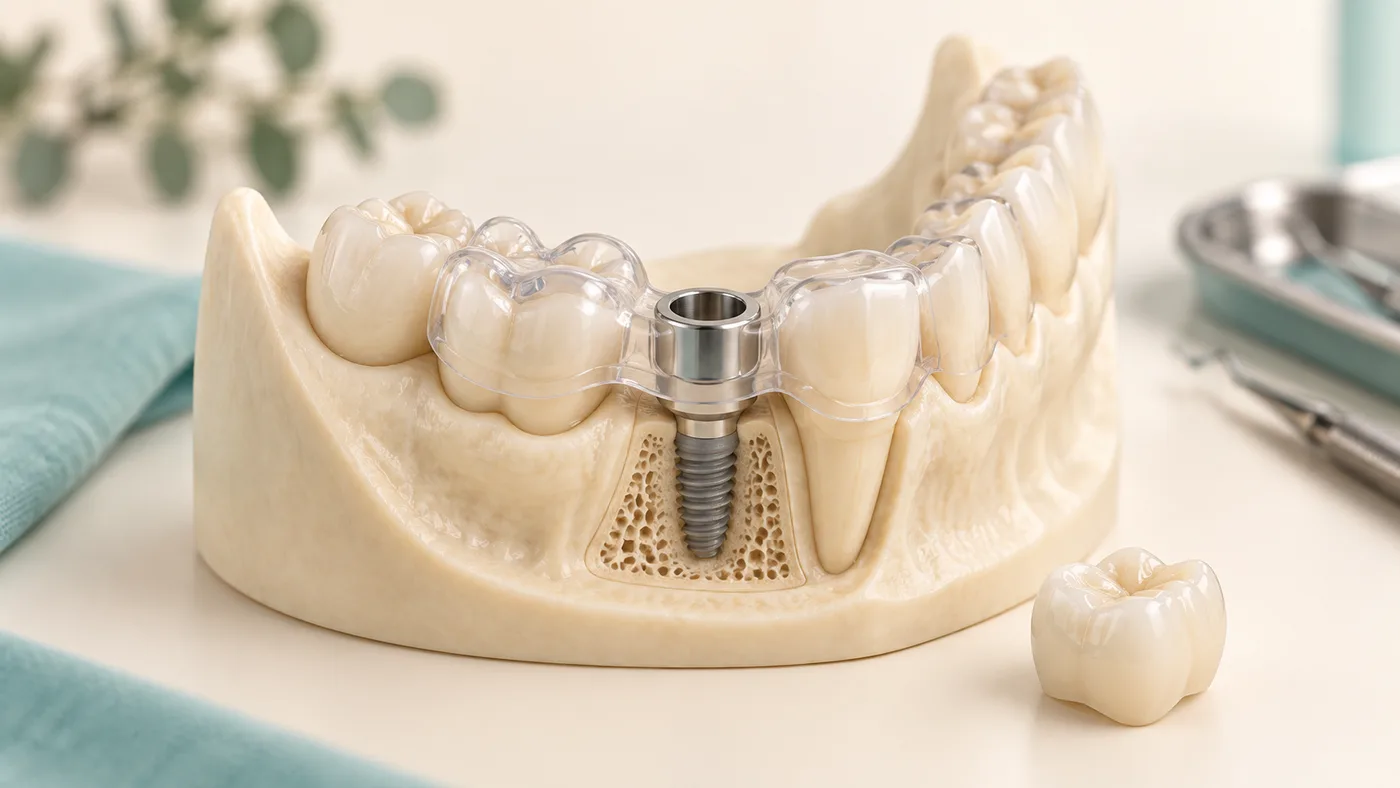
Printed diagnostic models help the team examine tooth arrangement. Other workflows use printing for custom impression trays, mock-ups, casting patterns, selected temporary restorations or denture components. Surgical guides may also be printed to help transfer an implant plan into surgery.
In a common clear-aligner workflow, the printer makes staged tooth models and transparent sheets are thermoformed over them. That is different from printing the aligner itself. Directly printed appliances require their own validated materials and process.
What happens after the print finishes?
Depending on the system, the object may need washing, support removal and controlled post-curing. These are part of making the device suitable for its purpose, not optional cosmetic steps. Residual material, distortion or an unsuitable finishing process can affect performance.
An item used surgically also needs handling and decontamination compatible with its instructions. The team must check fit and intended function before use. A surgical guide that rocks or does not seat correctly should prompt reassessment.
Does printing guarantee speed or accuracy?
It can reduce manual stages and support repeatable designs, but errors can enter through records, design, printing and finishing. Complex treatment still needs diagnosis, tissue healing and clinical review. Same-day production is not the same as a completed treatment.
Ask what will actually be printed, whether it is a temporary or definitive component, and how the team verifies it. The useful benefit is a well-controlled workflow matched to your treatment.