Grinding and clenching can occur asleep or awake
Bruxism involves activities such as grinding or clenching. Possible clues include worn or chipped teeth, tired jaw muscles and reports of night-time grinding. These findings have other possible causes, so tooth wear alone is not a complete diagnosis.
Why restorations need consideration
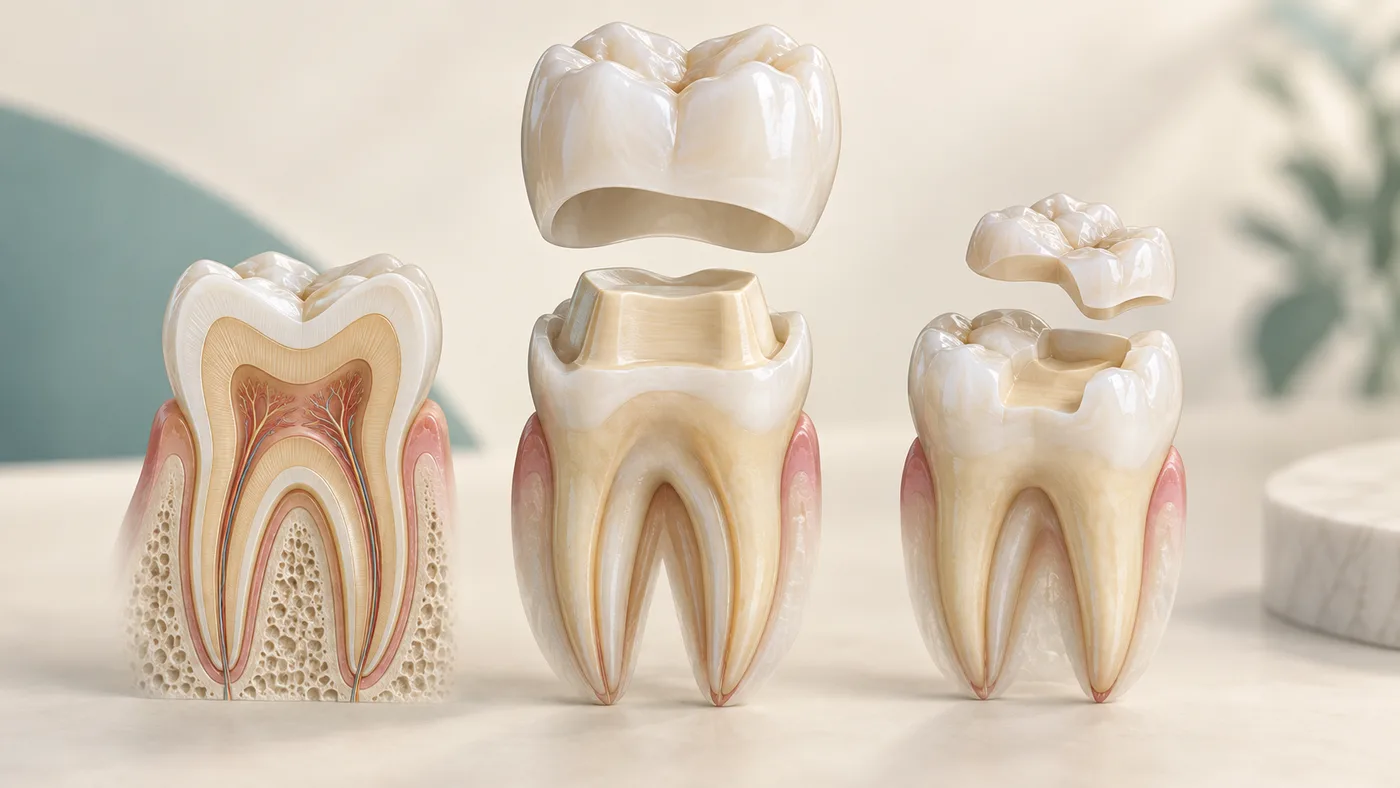
Repeated loading can contribute to problems with teeth and restorations. Before replacing worn teeth with crowns or veneers, the team should assess the cause, available tooth structure, bite and whether a staged approach is needed. Restoring the appearance does not automatically stop the underlying activity.
What a guard can do
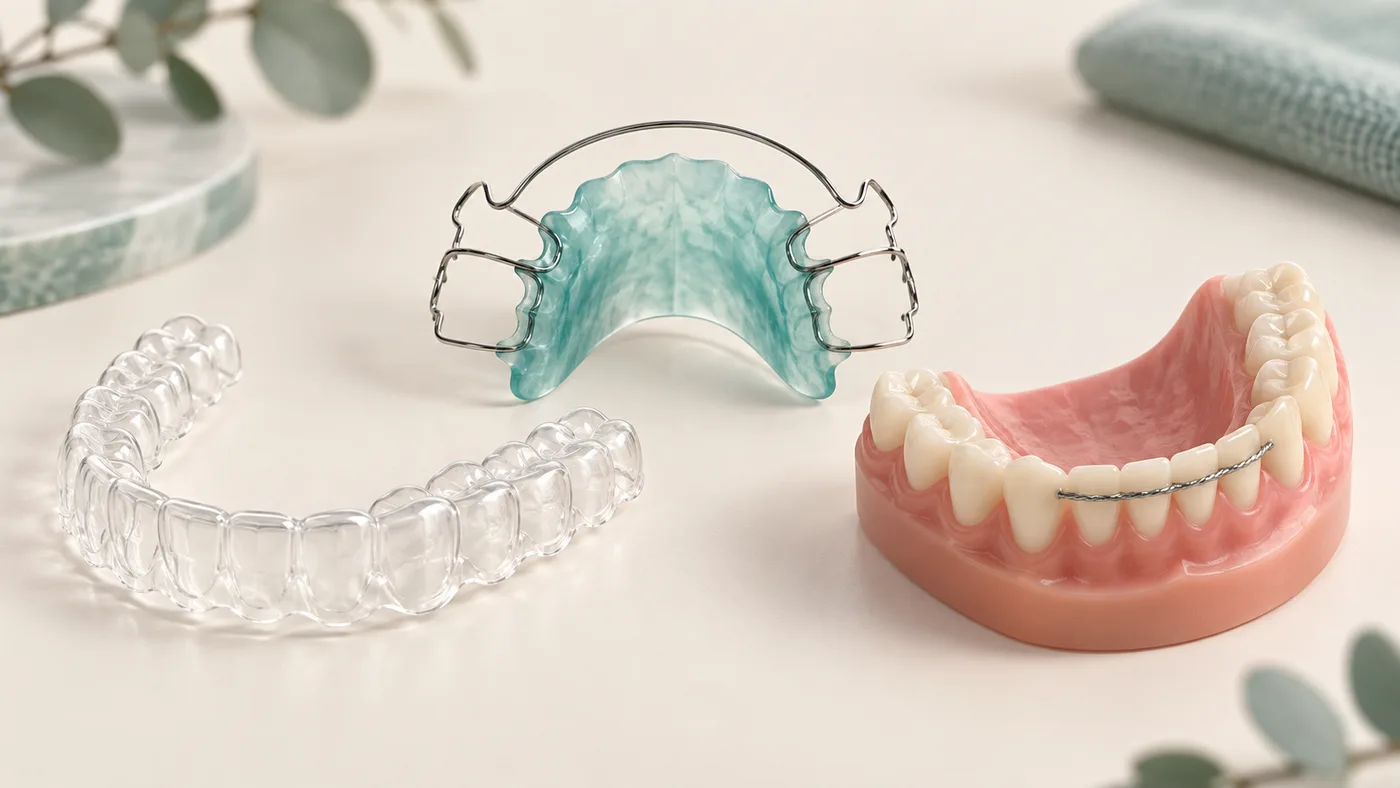
A suitably designed appliance may protect teeth in selected cases. It does not guarantee that grinding stops or treat every cause of jaw pain. Fit and follow-up matter, especially after orthodontics or new restorations. A retainer and a protective guard are not automatically interchangeable.
Look beyond the teeth
Discuss daytime habits, sleep symptoms and relevant medicines. Loud snoring, witnessed pauses in breathing or marked daytime sleepiness may warrant medical assessment. Do not stop medication on your own.
Seek review for a cracked tooth, a loose restoration or persistent jaw symptoms. A practical plan may combine awareness of awake clenching, appropriate protective measures and assessment of contributing conditions.