Flexible does not mean suitable for every gap
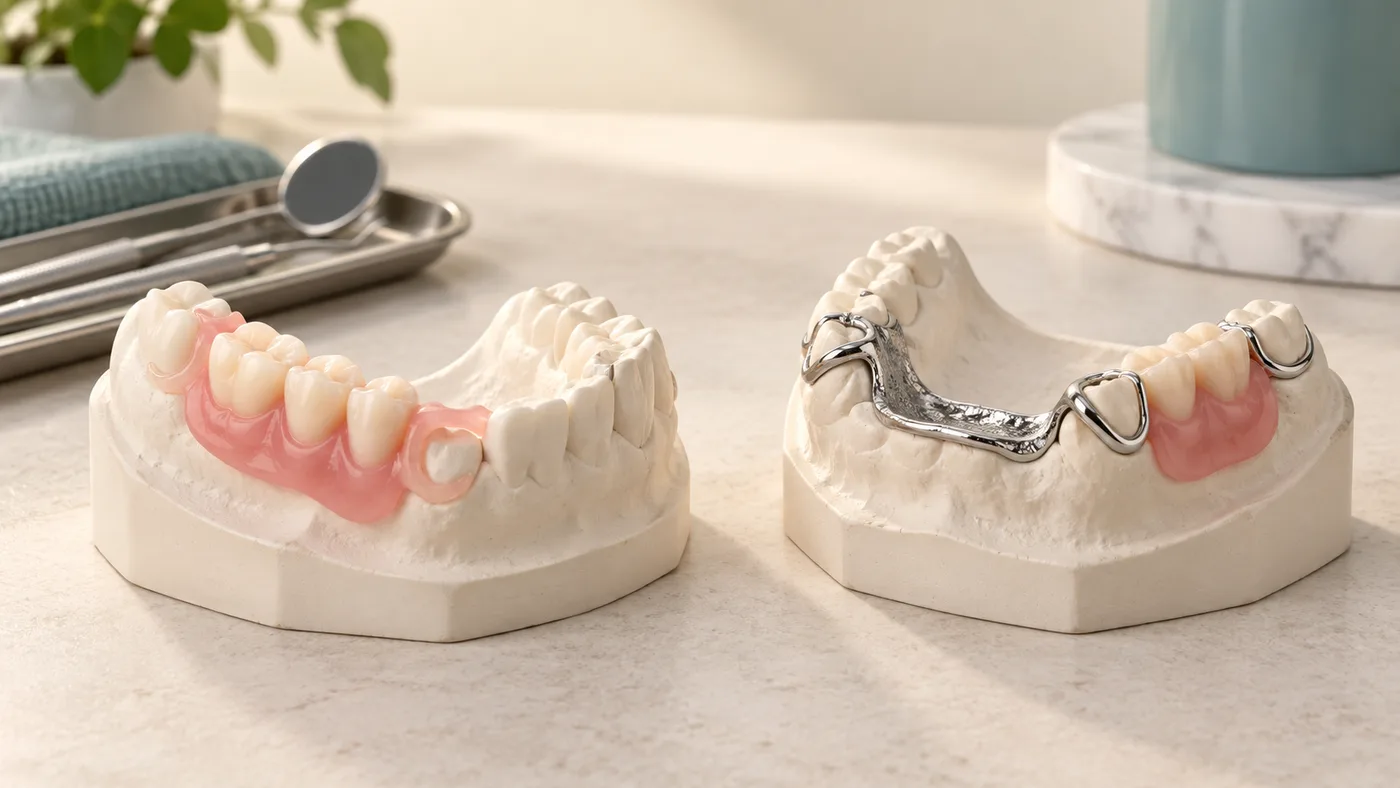
Some removable partial dentures use thermoplastic materials and tooth- or gum-coloured retention components. These can reduce the visibility of metal clasps in selected situations. However, “non-metal clasp” and “completely flexible” do not describe the same design: some dentures combine aesthetic clasps with a rigid framework.
A denture needs more than retention
Retention resists dislodgement. Support limits movement toward the tissues, and stability limits sideways movement. A denture that feels secure when first inserted still needs an appropriate design to distribute chewing forces and protect the remaining teeth and tissues.
The number and position of missing teeth, ridge shape, bite, hygiene and available space determine whether a flexible design is sensible. Flexibility alone does not make a denture kinder to the gums or a substitute for a rigid framework when rigidity is needed.
Repairs and changes need planning
Thermoplastic materials differ. Adding a tooth, relining the fitting surface or repairing a fracture may be more complex than with a conventional acrylic design and may require a specific laboratory process. Do not assume that the denture will automatically adapt as the ridge changes.
Daily care
Use the cleaning method recommended for the actual material. Avoid hot water and home reshaping. Clean the remaining teeth and the denture carefully, and follow advice on removing it during sleep. Persistent rubbing, looseness or a change in your bite needs review rather than repeated use of adhesive to hide the problem.
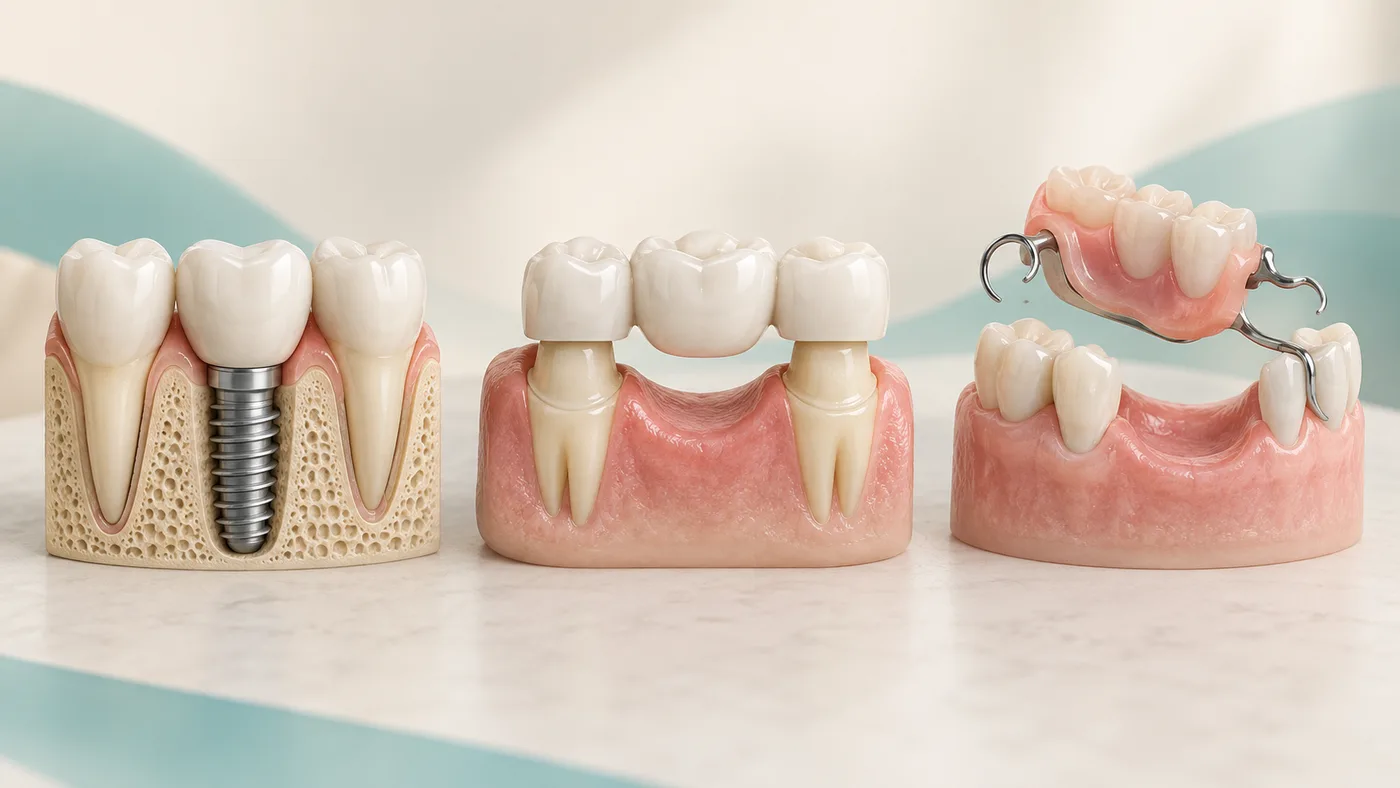
Ask how your proposed design gains support, how it can be maintained and what alternatives include. Conventional partial dentures, bridges and implants each have different advantages and limitations; the assessment should compare them fairly.