Start with diagnosis, not appearance
Clear aligners and fixed braces move teeth through planned forces. Neither is limited to moving teeth in only two dimensions. The useful question is which method can achieve the required movements predictably in your mouth, with acceptable demands on hygiene and cooperation.
Assessment considers crowding, spaces, bite relationships, gum health, root and bone findings when imaging is justified, and whether treatment needs extractions or jaw surgery. Some cases suit aligners well; others benefit from fixed appliances or a combined approach.
What changes in everyday life?
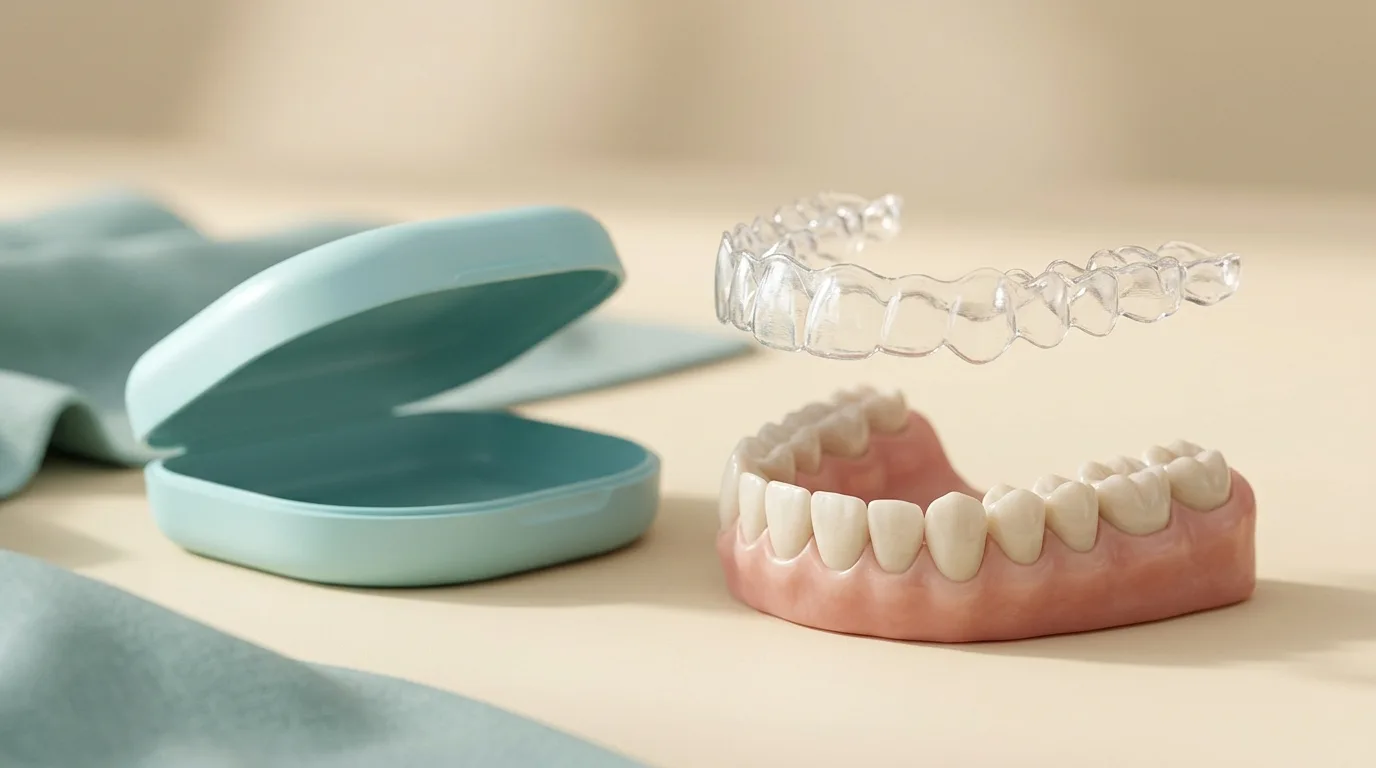
Aligners are removed for eating and cleaning. Their appearance can be discreet, but attachments on teeth, elastics or other aids may still be necessary. Many prescriptions involve roughly 20–22 hours of wear daily; follow your own plan. A tray that is rarely worn cannot deliver its intended movement.
Braces stay attached and do not depend on remembering to insert trays. They still require attendance, careful cleaning and cooperation with elastics where prescribed. Either method can cause tenderness and temporary irritation. Neither guarantees a shorter course.
What the digital preview means
A simulation helps explain the planned sequence; it is not a promise that biology will follow every frame. Tooth tracking, gum health and the bite need clinical review. Additional scans and refinement trays may be needed.
The pathway usually includes assessment and records, discussion of the proposed plan, appliance delivery and repeated review. The number of appointments depends on complexity and response. Confirm what a quotation includes: records, attachments, refinements, lost trays, retention and follow-up.
When something is wrong
Contact the team if a tray no longer seats, an attachment is lost or pain is unusual. Do not skip ahead, heat a tray or force it into place. Follow the specific advice given for a lost or damaged appliance.
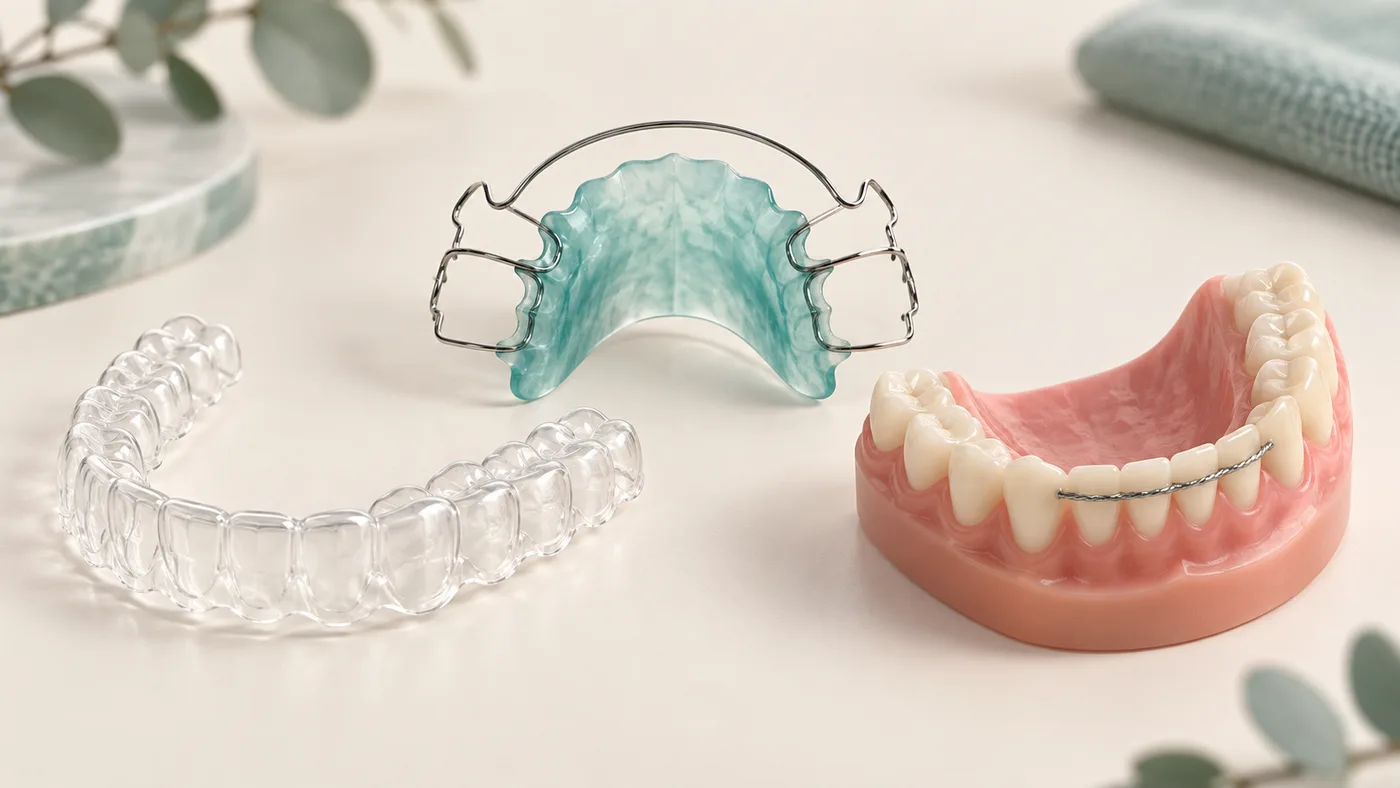
Treatment finishes with retention
Straight teeth can move again. Retainers and continuing reviews protect the result, whichever active treatment method was used. Ask about this commitment before treatment begins.