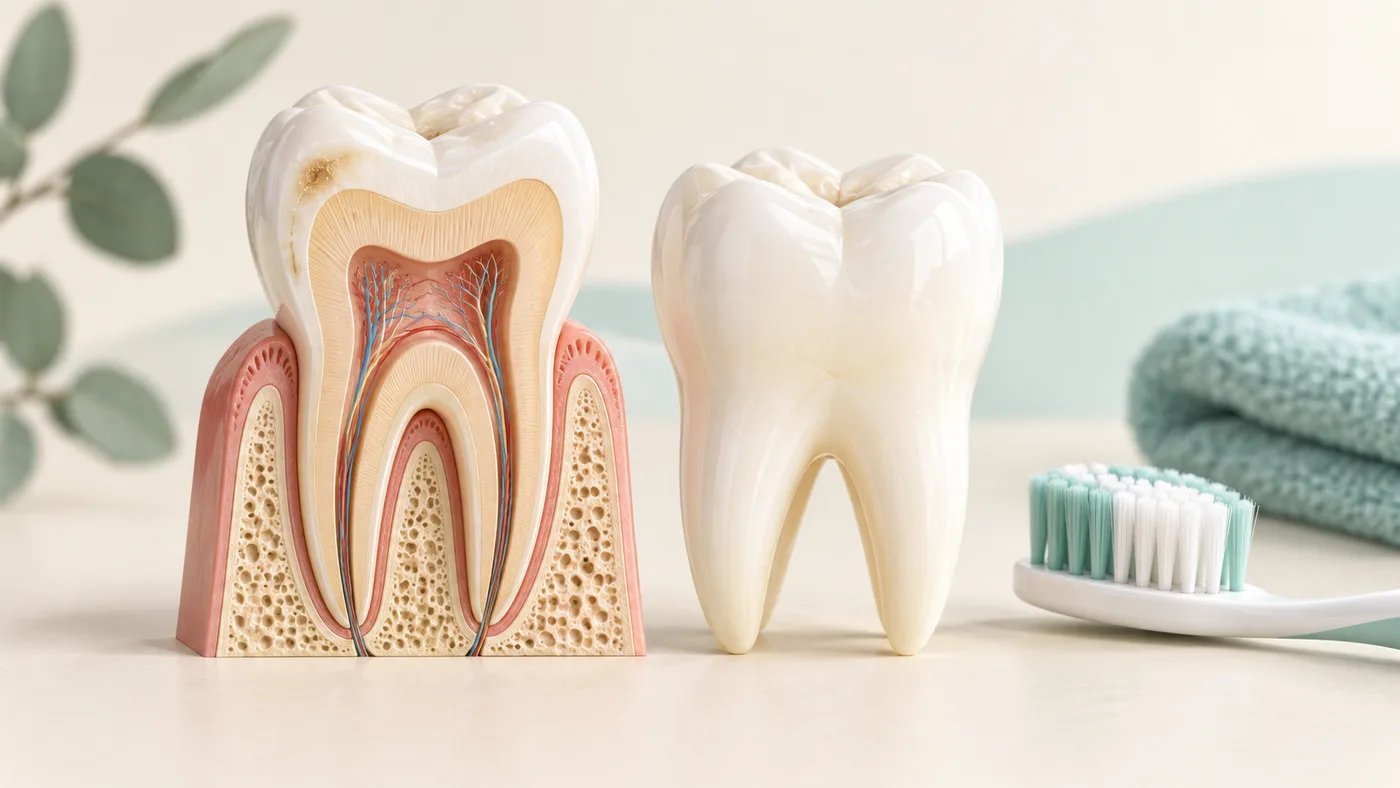
The source needs treatment
Toothache can arise from several conditions. When disease within a tooth or a local collection of infection is responsible, the solution may involve dental treatment such as drainage, root canal treatment or extraction, depending on the diagnosis. An antibiotic does not rebuild a decayed tooth or remove the source by itself.
When antibiotics may be needed
The dentist assesses whether there are signs of spreading infection, systemic illness or other circumstances requiring antibiotics. Guidance for common pulpal and periapical conditions generally prioritises definitive dental treatment when available, rather than routine antibiotics for every painful tooth.
The decision changes with the clinical situation and medical history. Do not borrow antibiotics, use leftovers or request a specific drug based on a previous episode.
While arranging care
Ask a dentist or pharmacist about suitable pain relief for your health and medicines. Do not exceed the labelled or prescribed dose, combine products unknowingly or place aspirin directly against the gum. Pain relief can help symptoms while the cause still needs assessment.
Know the urgent signs
Facial or neck swelling, fever or worsening symptoms needs prompt clinical advice. Difficulty breathing or swallowing, severe rapidly increasing swelling or eye involvement requires emergency assessment. An appointment request form is not an emergency service.
If prescribed an antibiotic, follow the instructions and contact the prescriber about adverse effects or lack of improvement. Do not delay the definitive dental appointment simply because the pain temporarily settles.